
Most people start laser engraving with wood. And that makes sense—it’s predictable, forgiving, and familiar. But sooner or later, curiosity kicks in. You look around your space and start wondering:
What else could I engrave?
That moment—when you stop seeing “materials” and start seeing possibilities—is where laser engraving becomes truly creative.
Let’s walk through some materials that surprise beginners, delight experienced makers, and remind students that experimentation is part of learning.
The day you realize engraving isn’t just about wood
One student once told me, “I didn’t know I was allowed to try that.”
That sentence comes up a lot.
Laser engraving feels technical at first, so people assume there are strict rules. In reality, the process invites exploration—as long as you stay safe and thoughtful.
The materials below aren’t just engravable. They teach you something new every time you try them.
Cardboard: humble, fast, and full of potential
Cardboard doesn’t look impressive—until you engrave it.
It’s great for:
-
quick prototypes
-
packaging designs
-
layered art
Because it engraves fast and costs almost nothing, cardboard is perfect for testing ideas. It teaches contrast, depth control, and restraint. Burn too deep, and it’s gone. Go lighter, and texture appears.
Cardboard rewards attention.
Cork: soft, warm, and surprisingly expressive
Cork reacts beautifully to the laser.
Use it for:
-
coasters
-
pinboards
-
small signs
Engraving cork creates natural contrast without harsh edges. It’s forgiving, smells pleasant, and makes beginners feel successful quickly. Cork is a reminder that materials don’t need to be fancy to feel finished.
Leather: where precision meets personality
Leather engraving feels special.
It works well for:
-
keychains
-
bookmarks
-
journal covers
Every piece of leather reacts slightly differently. That variability teaches makers to slow down and test first. The results often feel personal—like something meant to be kept, not just used.
Acrylic: clean, modern, and dramatic
Acrylic behaves nothing like wood—and that’s the point.
Engraved acrylic can:
-
frost
-
glow with backlighting
-
create sharp contrast
It’s ideal for signs, displays, and modern designs. Acrylic teaches beginners about vector paths, clean edges, and how light interacts with engraving.
Slate and stone: imperfect in the best way
Slate is unpredictable—and beautiful because of it.
Use it for:
-
plaques
-
coasters
-
wall pieces
The natural texture means no two engravings look the same. Slate teaches acceptance of imperfection and respect for material character.
Glass: subtle, quiet, and precise
Glass engraving isn’t bold—it’s delicate.
It’s best for:
-
simple designs
-
text
-
light imagery
Glass demands patience and light settings. It shows beginners how restraint can create elegance.
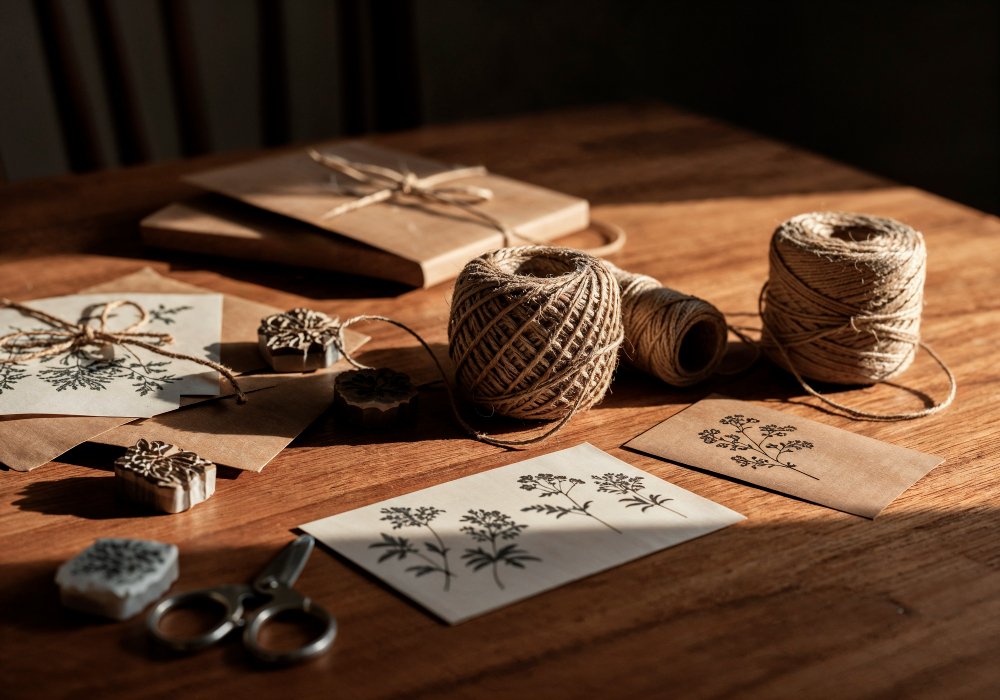
Paper and cardstock: design thinking in action
Paper engraving isn’t about permanence—it’s about design.
Great for:
-
invitations
-
layered art
-
mockups
Because paper burns easily, it teaches precision and planning. One small change makes a big difference.
Fabric (with care and testing)
Certain fabrics engrave surprisingly well.
Best results come from:
-
natural fibers
-
felt
-
canvas
Fabric engraving teaches students to think about texture and negative space. It also reinforces the importance of testing—every fabric behaves differently.
Found materials: where creativity gets personal
Some of the best engraving projects come from unexpected finds:
-
thrifted items
-
scraps
-
packaging
-
old objects
These materials carry history. Engraving them adds a new layer of meaning. It turns making into storytelling.
What experimenting with materials actually teaches
Trying new materials does more than expand your options. It teaches:
-
how settings affect results
-
how materials respond to heat
-
how to adapt designs
-
how to learn through iteration
Mistakes become information. Curiosity becomes confidence.
A quick word on safety
Creative doesn’t mean careless.
Always:
-
research materials before engraving
-
avoid unknown plastics
-
ensure proper ventilation
Safe exploration is sustainable exploration.
When students hesitate to experiment
Hesitation usually comes from:
-
fear of ruining material
-
pressure to “get it right”
-
lack of guidance
But experimentation doesn’t require perfection—only intention.
At SchoolCentric, we help students approach creative tools like laser engravers with structure and confidence, so experimentation feels exciting instead of risky.
Final thought
Laser engraving isn’t just about mastering a machine.
It’s about learning to see ordinary materials in new ways.
When you engrave cork, cardboard, glass, or fabric, you’re not just making objects—you’re training your creative eye.
And that skill lasts far longer than any project.
👉 If your child is exploring digital fabrication and creativity, SchoolCentric can help guide that curiosity into confident, meaningful making.